
 TMK-1 Composter
 TMK-2 Composter
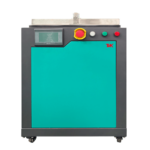 TMK-5 Composter
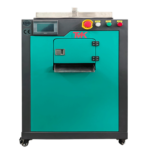 TMK-10 Composter
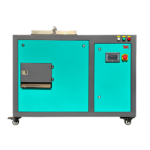 TMK-30 Composter
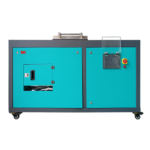 TMK-50 Composter
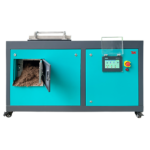 TMK-100 Composter
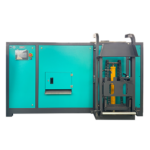 TMK-200 Composter
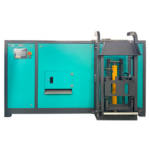 TMK-300 Composter
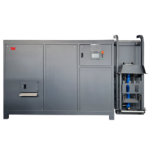 TMK-500 Composter
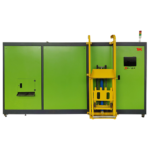 TMK-1000 Composter
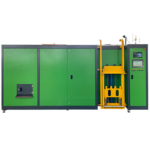 TMK-2000 Composter
 TMK-5000 Composter
Food waste is the most demanding fraction of the daily organic waste stream. It ferments quickly and generates odors within hours. In open containers or storage areas, it also creates serious hygiene pressure. For restaurants, hotel kitchens, school canteens and food service operations at any scale, the recurring cost of external collection and disposal appears on every monthly operating statement. Furthermore, that cost rises as waste volumes grow.
TMK solves the problem at its source. Waste enters a closed, insulated composting vessel, where an active aeration system and internal mixing mechanism sustain aerobic decomposition under controlled conditions. As a result, mass reduces significantly during processing. The output is a stable organic material, ready for use as a soil conditioner or as input to fertiliser production. Moreover, the operation requires no trucks, no open containers and no collection schedule to manage.
TMK food waste composting machine with touchscreen control panel and compact wheeled body, displayed in an outdoor setting.
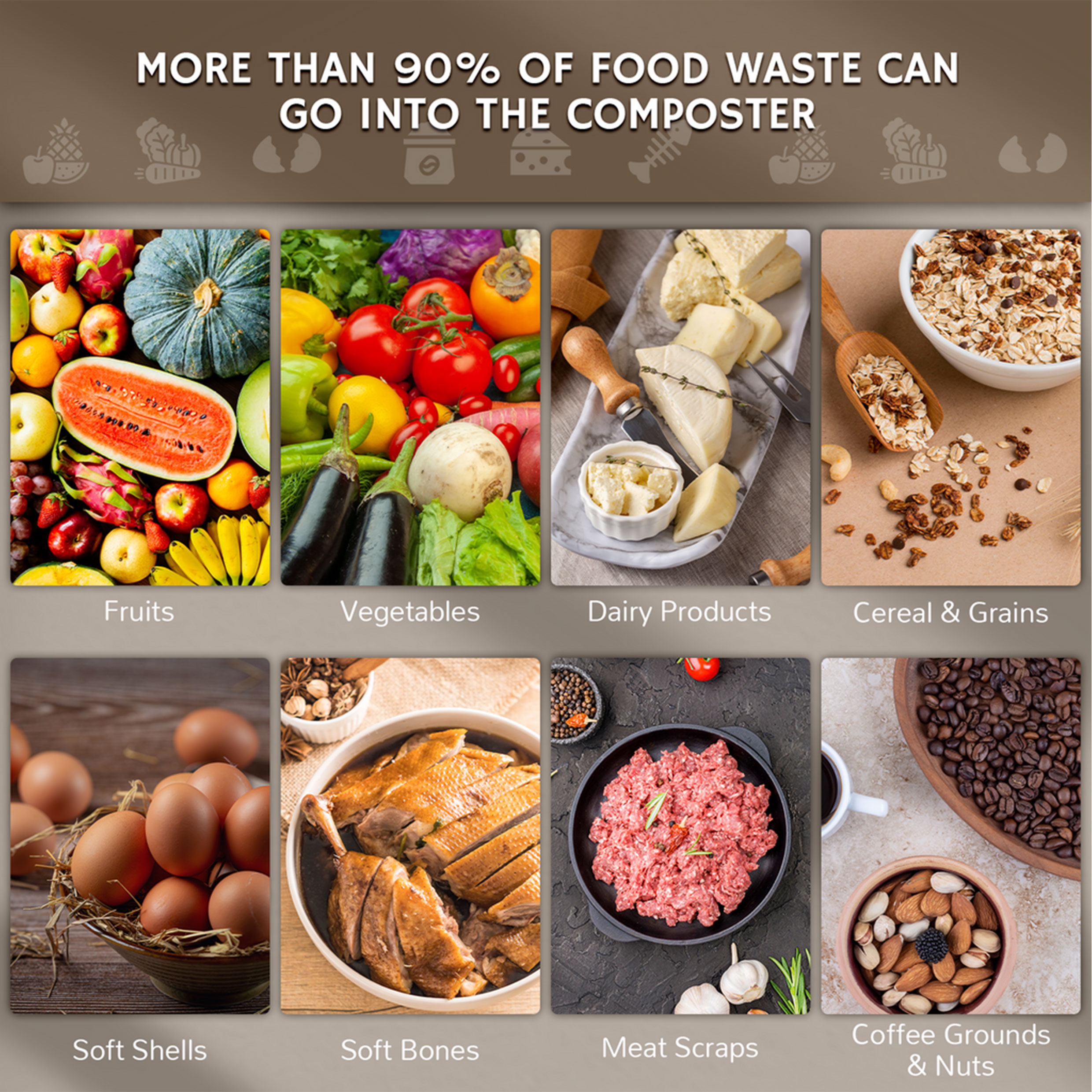
What Types of Food Waste Can Be Processed
- Vegetable and fruit peelings, trimmings and off-cuts
Cooked and uncooked food leftovers
Bread, pastry and bakery waste
Coffee grounds, tea residues and filter waste
Eggshells and limited quantities of dairy residues
Kitchen preparation scraps from restaurants and catering
Market and greengrocer surplus and unsold produce
Compostable packaging (certified compostable materials only)
TMK accepts a broad range of organic food waste inputs, including mixed kitchen waste with variable moisture content.
Managing Moisture and Input Mix
For high-moisture inputs such as cooked meals, prepared soups and very wet produce, adding a dry carbon source before loading improves the process. Woodchips, dry leaves, cardboard particles or straw all serve this purpose well. They absorb excess moisture, support airflow through the material and reduce the risk of anaerobic conditions developing. In addition, good input recipe management is the first line of odor control. The integrated odor control system then helps manage any residual odor during and after processing.
For waste streams with a high proportion of meat, fish or oily residues, careful input management and technical evaluation are needed before processing. Contact us in advance to discuss the composition of your specific waste stream.
Where Are TMK Food Waste Systems Used?
- Restaurants and Cafes: These operations process kitchen preparation waste and post-service leftovers directly on-site. As a result, cold storage of organic waste before collection becomes unnecessary.
- Hotels and Resort Kitchens: Multiple kitchens and banqueting operations generate consistent daily volumes. TMK provides an on-site solution that scales from a single compact unit to a larger system as the operation requires.
- School and University Canteens: Institutions manage cafeteria waste from daily meal service locally with TMK. This reduces disposal costs and adds a visible sustainability initiative to the campus.
- Hospital and Care Facility Kitchens: High-frequency food preparation generates significant daily waste. On-site processing reduces handling risks and, moreover, supports waste reduction commitments in healthcare environments.
- Airport Catering and Transport Hubs: High-volume catering operations benefit from closed-vessel processing. Consequently, open waste storage in food-handling environments is no longer needed.
- Supermarkets and Retail Food Departments: Surplus produce, damaged goods and expired packaged foods are composted on-site. This reduces external disposal volumes and associated costs directly.
- Food Manufacturing and Processing Facilities: The facility handles production line trimming waste, off-specification products and packaging residues continuously, without interrupting operations.
- Corporate Office Campuses: Staff canteens and catering services serving large employee populations produce consistent daily waste streams. These are well suited to a dedicated on-site composting unit.
- Wholesale Markets and Greengrocers: Operators compost damaged, unsold or surplus fresh produce on-site rather than transporting it off-site. This reduces both volume and handling frequency.
- Residential Communities and Social Housing: Centralised composting units serve multiple households, providing a managed, odor-controlled alternative to kerbside collection for organic fractions.