
 TMK-1 Composter
 TMK-2 Composter
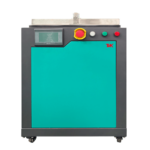 TMK-5 Composter
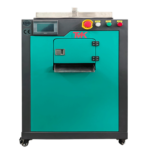 TMK-10 Composter
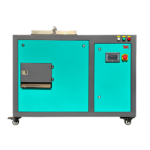 TMK-30 Composter
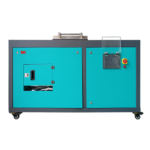 TMK-50 Composter
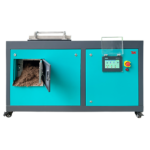 TMK-100 Composter
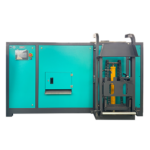 TMK-200 Composter
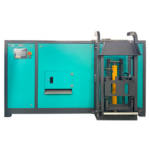 TMK-300 Composter
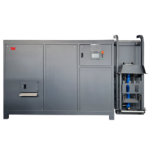 TMK-500 Composter
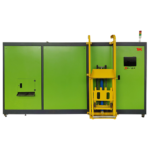 TMK-1000 Composter
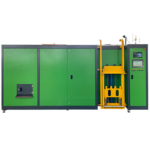 TMK-2000 Composter
 TMK-5000 Composter
The global waste crisis is reaching a tipping point. Projections indicate that global waste will reach 46 billion tons by 2050. The need for eco-friendly waste management solutions is higher than ever.
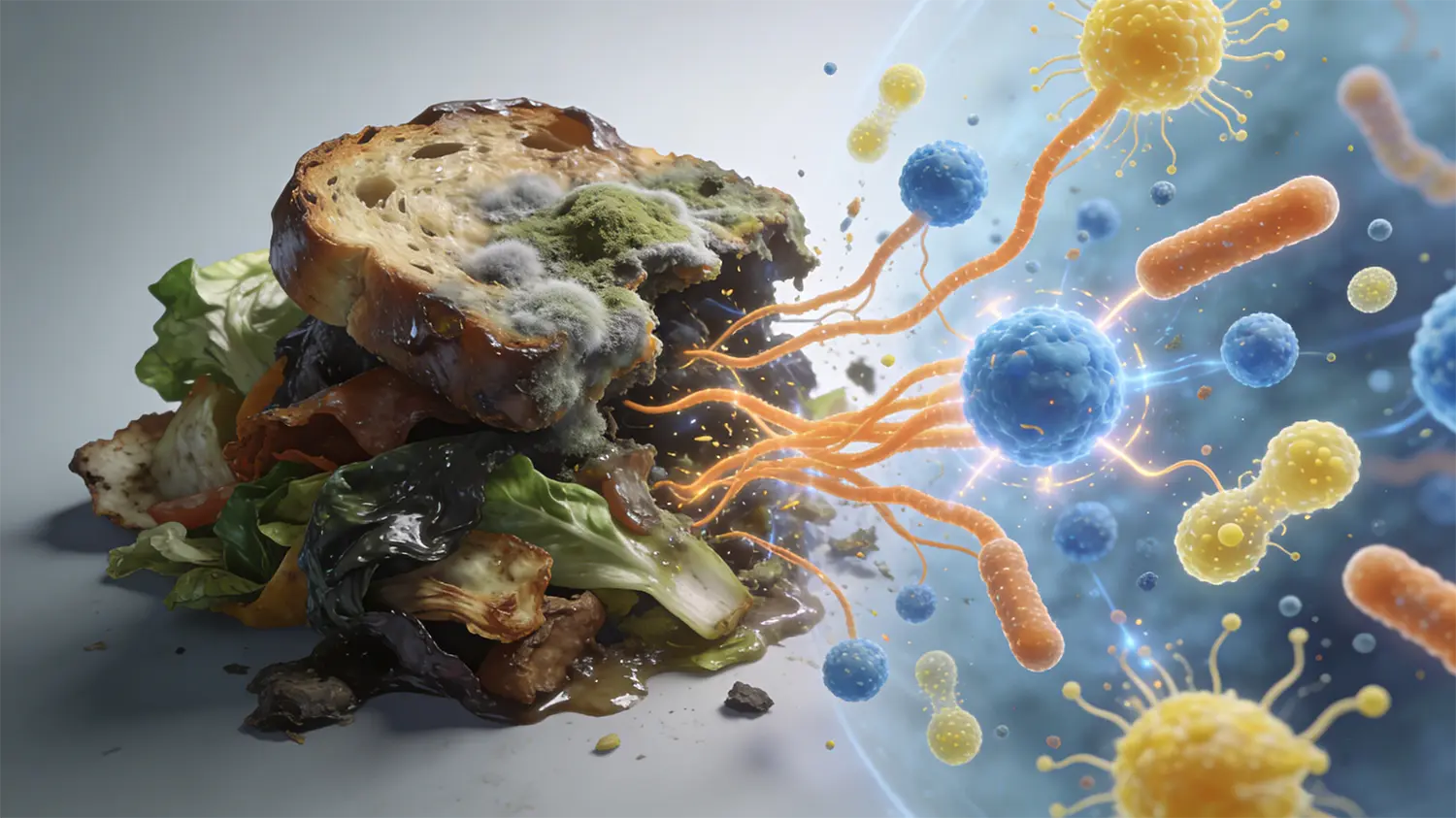
One promising solution is to harness the power of microbes. These tiny organisms, often overlooked, can break down organic matter and turn it into valuable resources. Microbes can be used in anaerobic and aerobic processes to tackle a wide range of waste streams.
In this guide, you can learn more about the role of microbes in anaerobic and aerobic waste solutions.
Introduction to Microbial Activity
Microbes are tiny organisms that play a crucial role in waste management. They are natural decomposers, breaking down organic matter into simpler materials that can be reused by the environment. This process, known as biodegradation, can help us maintain a healthy ecosystem.
There are two main types of microbial processes involved in waste management: anaerobic and aerobic.
Anaerobic processes occur in environments with limited or no oxygen. In these conditions, microbes such as bacteria and archaea break down organic matter through fermentation.
This process produces biogas – a blend of methane and carbon dioxide – that can be reused as a renewable energy source. Anaerobic digestion (AD) is commonly used in landfills and wastewater treatment plants.
Aerobic processes require oxygen for the microbes to function. In these conditions, bacteria and fungi break down organic matter through aerobic respiration.
This process produces carbon dioxide and water, which are less harmful to the environment. Aerobic composting (AC) is a popular method for managing organic waste that produces nutrient-rich compost that can improve soil fertility.
Microbes in Anaerobic Digestion (AD)
In anaerobic digestion, a diverse community of microbes works to break down organic matter. These microbes, primarily bacteria and archaea, thrive in oxygen-limited environments.
The microbial community in anaerobic digesters is dynamic, rapidly responding to changes in temperature, pH, and substrate composition. Studies show that the composition of these communities shifts a lot during the operational phases of AD, particularly during startup or when feedstock changes occur.
The Breakdown Process
The AD process occurs in several stages:
- Hydrolysis: Complex organic molecules such as carbohydrates, proteins, and lipids are broken down into smaller, simpler compounds such as sugars, amino acids, and fatty acids.
- Acidogenesis: These simpler compounds are converted into organic acids, such as acetic, propionic, and butyric acids.
- Acetogenesis: The organic acids are converted into acetate, carbon dioxide, and hydrogen.
- Methanogenesis: Methanogenic archaea convert acetate, carbon dioxide, and hydrogen into methane (CH4) and carbon dioxide (CO2), forming biogas.
Microbes in Aerobic Composting (AC)
In aerobic composting, microbes work to decompose organic waste. That includes aerobic bacteria – thriving in environments with oxygen levels of 1–10% – mesophilic bacteria, and thermophilic bacteria. These microbes require oxygen to thrive and metabolize.
The Breakdown Process
The AC process involves several stages:
- Fragmentation: Physical and biological processes break down organic matter into smaller particles.
- Hydrolysis: Enzymes produced by microbes break down complex organic molecules into simpler compounds.
- Acidogenesis: These simpler compounds are converted into organic acids.
- Mineralization: Microbes degrade the organic acids into inorganic nutrients.
The Benefits of AC
AC produces compost, a nutrient-rich substance used to improve soil’s quality, fertility, and structure. Compost promotes moisture retention, soil aeration, and plant growth. It can also help restore degraded soil.
AC is another sustainable way to manage organic waste such as food scraps, yard trimmings, and agricultural residues.
Microbes are often overlooked, but their ability to break down organic matter into valuable resources such as biogas and compost makes them a powerful tool for reducing our environmental footprint.
At TMK, we help businesses harness the power of microbes for a more sustainable future. Our expertise in AC allows us to provide tailored solutions that reduce waste, generate renewable energy, and mitigate climate change. Partnering with TMK is the key to reaching your environmental goals faster and more efficiently.